Lost in Paradise: What No One Tells You About Cartagena’s Natural Wonders
Traveling to Cartagena, Colombia, isn’t just about colorful colonial streets—it’s a gateway to breathtaking natural beauty. From turquoise Caribbean waters to hidden mangrove lagoons, the region dazzles with raw, unfiltered wonder. But beyond the postcard views lie real travel pitfalls: overcrowded islands, misleading tours, and fragile ecosystems at risk. I learned this the hard way. This is not just a love letter to paradise—it’s an honest look at how to experience Cartagena’s nature wisely, respectfully, and truly off the beaten path. For travelers seeking authenticity, preparation and awareness are as essential as sunscreen and swimsuits.
First Impressions: The Postcard vs. Reality
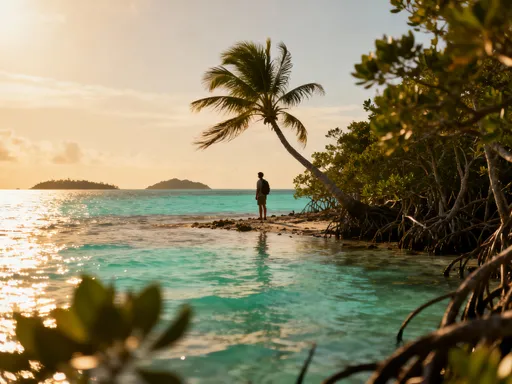
When travelers think of Cartagena, their minds often drift to cobbled alleys lined with sunlit balconies spilling over with bougainvillea, or the imposing stone ramparts of the historic walled city. These iconic scenes dominate travel brochures and Instagram feeds, painting a romantic portrait of coastal elegance. Yet, for those willing to look beyond the city’s architectural charm, a different kind of beauty unfolds—one shaped by wind, water, and wild greenery. Just a short boat ride from the mainland lie the Rosario Islands and Isla Barú, part of a 40-island archipelago nestled in the warm embrace of the Caribbean Sea. These islands boast powdery white beaches, shallow lagoons shimmering in shades of aquamarine, and coral reefs teeming with life.
What many do not anticipate is how quickly paradise can feel less serene than expected. The very qualities that make these destinations so appealing—pristine waters, photogenic coastlines, and tropical isolation—have also made them vulnerable to mass tourism. Isla Barú, once a quiet fishing community, now sees thousands of visitors daily, especially at Playa Blanca, where vendors line the shore and music blares from open-air beach clubs. The Rosario Islands, protected under Colombia’s National Natural Park System, are meant to preserve ecological integrity, but even here, the pressure of tourism is evident. Floating platforms crowded with snorkelers, anchored boats swaying above delicate corals, and plastic waste washed ashore reveal a less flattering side of popularity.
The gap between expectation and reality often leaves travelers feeling misled. They arrive hoping for tranquility and connection with nature, only to find congestion and commercialization. This contrast is not unique to Cartagena, but it is particularly pronounced here due to the fragile balance between conservation and economic opportunity. Understanding this duality is the first step toward a more meaningful visit. The magic of Cartagena’s natural landscapes has not vanished—it has simply become harder to access without intention and planning. Travelers who educate themselves before arrival, choose responsible operators, and adjust their expectations can still find moments of true wonder, even amid growing demand.
The Hidden Cost of “Off-the-Beaten-Path” Excursions
One of the most common promises in Cartagena’s tourism industry is access to the “untouched” or “secret” beach—places supposedly known only to locals or elite eco-tourists. These phrases are powerful marketing tools, evoking images of solitude, unspoiled nature, and exclusive discovery. However, the truth is far less glamorous. In most cases, the so-called hidden spots are anything but secret. Guided tours frequently route multiple boats to the same secluded cove, turning it into a temporary hub of activity. What was once a quiet stretch of coastline can quickly transform into a crowded shoreline with dozens of visitors swimming, eating, and taking photos.
This phenomenon is not merely inconvenient—it has real environmental consequences. Repeated foot traffic on dunes and mangrove roots damages plant life that stabilizes shorelines and provides habitat for birds and marine species. Anchoring boats directly on coral reefs, even briefly, can break centuries-old coral structures that grow only millimeters per year. Even well-meaning tourists who step on seagrass beds or stir up sediment while snorkeling can disrupt ecosystems that depend on clear water and stable conditions. The cumulative effect of daily visits, especially during peak season, accelerates erosion and degrades water quality.
Moreover, the promise of exclusivity often masks a lack of regulation. Some smaller tour operators do not adhere to park guidelines or pay required conservation fees, undermining efforts to manage visitor impact. Others exaggerate what travelers will see—claiming sightings of sea turtles or dolphins without guarantee, or advertising “pristine” beaches that are, in reality, littered with debris after weekend crowds. This misalignment between marketing and reality not only disappoints visitors but also erodes trust in sustainable tourism initiatives.
The solution lies in redefining what “off the beaten path” truly means. Rather than chasing elusive destinations, travelers should focus on depth over distance. Choosing less advertised islands, visiting during shoulder seasons, or spending more time in one location reduces strain on ecosystems and increases the likelihood of authentic encounters. Supporting operators who limit group sizes, follow environmental protocols, and contribute to local conservation can make a tangible difference. True exploration is not about finding untouched places—it is about engaging with nature in a way that preserves its integrity for future generations.
Nature’s Delicate Balance: Protecting Coral and Mangroves
The natural splendor of Cartagena’s coastal region rests on two critical ecosystems: coral reefs and red mangroves. Together, they form a living shield that protects shorelines, supports biodiversity, and sustains local livelihoods. Coral reefs act as underwater nurseries, hosting over 500 species of fish, sea turtles, and invertebrates. Mangrove forests, with their tangled root systems, filter pollutants, prevent erosion, and serve as breeding grounds for crabs, shrimp, and juvenile fish. Despite their importance, both systems are under increasing threat from climate change, pollution, and tourism-related activities.
Snorkeling is one of the most popular ways to experience Cartagena’s marine life, and for good reason. Floating above a reef, watching parrotfish nibble at coral and stingrays glide along the sandy bottom, is a mesmerizing experience. However, the very act of observing can become harmful if not done responsibly. Many visitors are unaware that sunscreen containing oxybenzone and octinoxate is toxic to coral, contributing to bleaching and reproductive disruption. Applying such products before entering the water—even in small amounts—can have outsized consequences in enclosed lagoons with limited water circulation.
Physical contact is another major concern. Swimmers who kick their fins near the reef, stand on coral heads, or attempt to touch marine animals can cause irreversible damage. Corals are living organisms, not rocks, and even minor contact can kill polyps or open pathways for disease. Anchors dropped carelessly from tour boats are equally destructive, often crushing large sections of reef in seconds. In response, Colombia’s National Parks authority has implemented strict rules in protected areas: anchoring is prohibited, mooring buoys are provided, and guided snorkeling groups are limited in size. Yet enforcement varies, and not all operators comply.
Travelers can play a crucial role in conservation by making informed choices. Opting for reef-safe sunscreen labeled “non-nano zinc oxide” or “titanium dioxide” is a simple but effective step. Wearing rash guards or UV-protective swimwear reduces the need for sunscreen altogether. Choosing tours that emphasize education—those that brief guests on marine etiquette, provide flotation devices to prevent sinking, and employ certified naturalist guides—ensures a safer, more respectful experience. Additionally, supporting community-led conservation projects, such as mangrove reforestation efforts in the Barú wetlands, allows visitors to contribute directly to restoration. When travelers understand that their actions have consequences, they become stewards rather than spectators.
Choosing the Right Island: Beyond the Crowds
With dozens of islands scattered across the Cartagena archipelago, selecting the right destination can dramatically shape the quality of a visit. Not all islands offer the same experience, and understanding their differences is key to avoiding disappointment. Isla Grande, for example, is larger and more developed, with restaurants, lodging, and frequent boat access, making it accessible but often busy. Isla Tierra Bomba, closer to the mainland, has historical significance and quieter beaches but lacks the postcard-perfect sands of the Rosario group. The Rosario Islands themselves vary widely—some are fully developed with resorts and tour docks, while others remain minimally visited and ecologically intact.
For travelers seeking peace and natural beauty, smaller, lesser-known islands often provide a more rewarding experience. Places like Isla Mucura or Isla Barcarena offer fewer amenities but greater tranquility, with calm waters ideal for swimming and paddleboarding. These islands typically host fewer day-trippers, allowing for a more immersive connection with the environment. Staying overnight, when permitted, enables visitors to experience the coastline after the day boats have departed, when the sounds of waves and wildlife return. Even within popular destinations, choosing a less frequented beach or cove can make a difference—walking just a few hundred meters from the main dock often leads to quieter spots.
Equally important is understanding each island’s conservation status. Several islands fall within the Rosario and San Bernardo National Natural Park, where development is restricted and visitor numbers are regulated. These protections exist to preserve biodiversity, but they only work if travelers respect them. This means staying on marked trails, avoiding swimming in designated no-entry zones, and never removing shells, coral, or marine life as souvenirs. It also means being mindful of waste—packing out all trash, including biodegradable items like fruit peels, which can disrupt local ecosystems.
Supporting local communities enhances both sustainability and authenticity. Many small islands are home to Afro-Colombian and indigenous fishing families who have lived in harmony with the sea for generations. Choosing to eat at family-run eateries, hire local guides, or purchase handmade crafts ensures that tourism benefits residents directly. These interactions often lead to richer experiences—learning about traditional fishing methods, hearing stories of the sea, or sharing a meal of fresh ceviche under a palm-thatched roof. When travelers prioritize people as much as places, they help sustain the cultural fabric that gives the region its soul.
Timing and Transport: Avoiding the Peak Rush
How and when travelers reach the islands can have a profound impact on their experience. Most public ferries and group tours depart from Cartagena’s mainland docks between 7:00 and 9:00 a.m., arriving at popular destinations by mid-morning. By 11 a.m., beaches like Playa Blanca are often packed, with vendors setting up, music playing, and boats lining the shore. The midday sun intensifies the heat, and the lack of shade can make extended stays uncomfortable. For those seeking calm waters and open space, arriving early or adjusting departure times can make all the difference.
One effective strategy is to book a later departure—between 10:00 and 11:00 a.m. While this may seem counterintuitive, it allows the initial wave of day-trippers to settle in and reduces competition for prime beach spots. More importantly, it avoids the rush at the dock, where long lines and crowded boats can start the trip on a stressful note. Private water taxis or small-group charters offer even greater flexibility, enabling visitors to choose their own schedule and route. Though slightly more expensive, these options often include stops at quieter locations and provide more personalized service.
Another consideration is the day of the week. Weekends, especially Sundays, attract the largest number of Colombian domestic tourists, making islands significantly busier. Traveling mid-week, particularly Tuesday through Thursday, often results in fewer crowds and a more relaxed atmosphere. Similarly, visiting during the shoulder seasons—April to May or September to October—can yield better weather and lower prices, with fewer tour groups competing for space.
Return timing also matters. Many tours schedule departures back to Cartagena between 3:00 and 4:00 p.m., but staying later, when possible, allows for a different kind of beauty to emerge. As the light softens and the wind calms, the water takes on a golden hue, and the sounds of the island shift from chatter to quiet waves. For those staying overnight, sunset and early morning offer some of the most peaceful and photogenic moments. Planning transport with these rhythms in mind transforms a rushed outing into a meaningful journey.
What to Pack (and What to Skip)
Packing wisely enhances comfort, safety, and environmental responsibility. The tropical climate demands lightweight, breathable clothing, but thoughtful choices go beyond fashion. A wide-brimmed hat, UV-protective sunglasses, and a light long-sleeve cover-up help shield against intense sun exposure, reducing reliance on sunscreen. A reusable water bottle is essential—many islands lack clean drinking water, and single-use plastic bottles contribute to pollution. Travelers should fill up before departure and consider portable filtration devices for longer stays.
Footwear matters more than many realize. Flip-flops are convenient but offer little protection on rocky shores or coral rubble. Sturdy water shoes or reef-safe sandals with ankle support prevent cuts and slips, especially when wading or exploring tidal pools. A dry bag keeps electronics, medications, and extra clothes safe from splashes and immersion. For those planning to snorkel, bringing a personal mask and snorkel ensures a proper fit and reduces dependence on rented gear, which is not always sanitized or well-maintained.
Certain items should be left behind. Traditional chemical sunscreens, as previously noted, harm marine life and should be replaced with mineral-based alternatives. Aerosol sprays, including insect repellent, can damage coral and pollute the air—lotions or wipes are safer choices. Excessive snacks in plastic packaging create unnecessary waste; instead, packing food in reusable containers minimizes litter. Finally, loud music devices, glass containers, and fireworks are often prohibited in protected areas and disrupt both nature and other visitors.
By packing with intention, travelers demonstrate respect for the environment and set the tone for a mindful journey. Every item brought to the island should serve a purpose and leave minimal trace. This approach not only protects delicate ecosystems but also fosters a deeper appreciation for the simplicity and beauty of coastal life.
A Better Way to Explore: Slow, Mindful Travel in Paradise
The true essence of Cartagena’s natural wonders reveals itself not in the number of photos taken, but in the quality of attention given. In an age of fast travel and curated itineraries, slowing down may be the most radical act a visitor can take. Instead of racing from island to island, consider dedicating a full day to a single location. Sit quietly on the shore, observe the tides, listen to the wind in the palms, and watch how light changes across the water. These moments of stillness foster connection—not just to nature, but to oneself.
Mindful travel also means engaging with local knowledge. Many long-time residents possess deep understanding of tides, fish behavior, and seasonal patterns—wisdom passed down through generations. Hiring a local guide is not just a practical choice; it is an act of cultural respect and economic support. These guides often share stories that official tours overlook, offering insights into the spiritual and historical relationship between people and the sea. Learning a few phrases in Spanish, asking thoughtful questions, and expressing gratitude go a long way in building mutual respect.
Ultimately, the goal is not to conquer or collect destinations, but to coexist with them. Every footstep, every choice, every interaction leaves an imprint. By choosing sustainability over convenience, depth over distance, and respect over consumption, travelers help ensure that Cartagena’s natural beauty endures. The paradise that so many seek is not a static postcard—it is a living, breathing system that thrives on balance. When visitors honor that balance, they do not merely witness wonder—they become part of its preservation. And in that quiet reciprocity, they find the most authentic kind of escape.