You Won’t Believe What We Found in Göreme’s Hidden Cultural Spots
Göreme, Turkey, is more than just fairy chimneys and hot air balloons. Beneath its surreal landscape lies a living cultural heartbeat—ancient churches carved into stone, family-run workshops preserving centuries-old crafts, and village courtyards where traditions still breathe. I went not just to see, but to feel the heritage. What I discovered transformed how I see travel. This isn’t just sightseeing—it’s connection, authenticity, and quiet moments that stay with you long after the journey ends. It’s about stepping beyond the brochure and into the rhythm of daily life, where history isn’t displayed behind glass but lived in the hands of artisans, the songs of elders, and the warmth of shared tea. In Göreme, culture isn’t frozen in time—it flows.
Arrival in Göreme: First Impressions and Cultural Curiosity
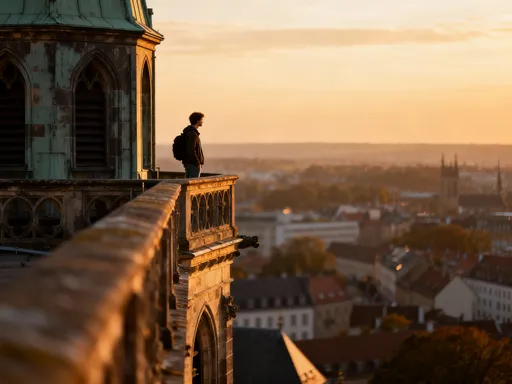
The first view of Göreme stirs something deep—a landscape shaped by fire, wind, and time. Soft tuff stone formations rise like sentinels, their honeycombed facades whispering of centuries past. As the morning light spills over the valleys, casting long shadows across the rocky terrain, the village awakens slowly. Roosters crow from behind stone walls, and the scent of fresh bread drifts from small bakeries tucked into alleyways. There is no rush here. Life moves at the pace of tradition, and every corner holds a quiet invitation to pause and observe.
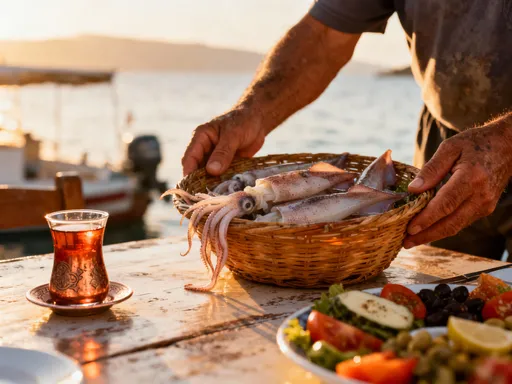
My first encounter with local life came minutes after stepping off the shuttle. A shopkeeper, noticing my curiosity about a handwoven rug in his doorway, gestured me inside and offered a glass of çay—Turkish tea, strong and sweet, served in delicate tulip-shaped glasses. No sale was expected, only connection. This gesture, simple yet profound, set the tone for the days ahead. Around the corner, a faded sign painted in looping script read “Pottery Workshop—Family Owned Since 1952.” Nearby, an elderly woman sat outside her home, rolling dough for gözleme, a traditional flatbread cooked on a griddle. These were not performances for tourists but the natural rhythm of daily existence.
It became clear that to truly understand Göreme, I needed to look beyond the postcard-perfect panoramas. The real story wasn’t just in the geology but in the people who have lived among these rocks for generations. My purpose shifted from sightseeing to cultural immersion—seeking out spaces where heritage is preserved not as a museum exhibit but as a living practice. From ancient chapels hidden in cliff faces to village elders passing down folk songs, I set out to discover the soul beneath the surface.
Exploring the Open-Air Museum: More Than Just Ancient Walls
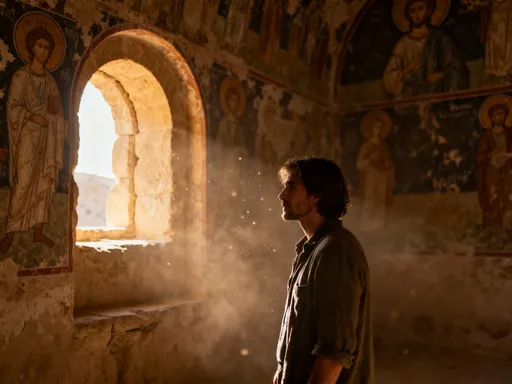
The Göreme Open-Air Museum, a UNESCO World Heritage Site, is often the first stop for visitors, and for good reason. Carved directly into the soft volcanic rock, this complex of rock-cut churches and monastic dwellings offers a powerful glimpse into early Christian life in Anatolia. Walking the winding stone paths, one descends into a world of silence and reverence. The Chapel of the Dark Church, so named for its lack of windows, reveals remarkably preserved frescoes—scenes of Christ’s baptism, the Last Judgment, and the resurrection—painted in deep reds, ochres, and blues that have endured for over a thousand years.
What makes this site more than a historical curiosity is its spiritual resonance. These were not merely places of worship but homes for monks who lived, prayed, and studied in isolation. The small cells, some with stone benches carved into the walls, speak of a life stripped down to essentials. The frescoes, though faded in places, were not decorative but didactic—teaching biblical stories to a largely illiterate population. Standing in the dim light, one can almost hear the echo of ancient chants, the turning of prayer beads, the scratch of quills on parchment.
To experience the museum fully, timing is essential. Arriving early in the morning, just after opening, allows for a peaceful walk through the complex before the crowds arrive. By midday, tour groups fill the narrow passages, and the sense of solitude fades. Wearing sturdy shoes is recommended, as the terrain is uneven, and some steps are steep. Equally important is respectful behavior: photography is permitted, but flash is prohibited inside the chapels to protect the delicate pigments. Visitors are asked to dress modestly, covering shoulders and knees, as a sign of reverence for the sacred space.
The Open-Air Museum is not a relic frozen in time but a testament to endurance. It reminds us that culture is not only about art and architecture but about belief, community, and the quiet persistence of tradition. To walk through it is to step into a continuum—one that connects past and present in a single breath.
Stepping Into Local Craft: Pottery Workshops in Avanos (Near Göreme)
No visit to Cappadocia is complete without experiencing its centuries-old pottery tradition, and Avanos, a short drive from Göreme, is its beating heart. Nestled along the banks of the Kızılırmak River—the longest river entirely within Turkey—the town has been a center for ceramics since the Hittite civilization over 3,000 years ago. The red clay, rich in iron oxide, gives the pottery its distinctive hue and durability. Today, the craft survives not in factories but in family-run workshops where techniques have been passed down through generations.
One such workshop belongs to Mehmet, a third-generation potter whose hands move with the confidence of decades. In a sunlit studio filled with the earthy scent of wet clay, he demonstrated the traditional kick-wheel method—no electricity, just rhythm and pressure. As the wheel spun under his foot, a lump of clay rose into a graceful vase, shaped by touch alone. “This is not just work,” he said, smiling. “It is memory. My grandfather taught my father, who taught me. Now I teach my son.”
Visitors are often invited to try their hand at the wheel—an experience both humbling and joyful. Most first attempts wobble and collapse, but the potters laugh kindly, guiding hands with patience. Beyond the craft itself, the designs carry meaning. Motifs like the evil eye, tulips, and geometric patterns are not merely decorative but symbolic, reflecting beliefs in protection, beauty, and balance. Some pieces are glazed in deep cobalt, others left unglazed to showcase the natural red clay.
Supporting these artisans is a form of cultural preservation. When travelers purchase directly from family studios—rather than mass-produced souvenirs in tourist shops—they help sustain a living tradition. Many workshops offer shipping services, making it easy to take a piece of Cappadocia home. More importantly, the act of engaging—asking questions, listening to stories, sharing tea—creates a bridge between visitor and host. In Avanos, pottery is not just an art form; it is a language of continuity.
Underground Cities: Venturing Beneath the Surface
Beneath the fairy chimneys of Cappadocia lie some of the most astonishing feats of ancient engineering: underground cities carved deep into the earth. Derinkuyu and Kaymaklı are the most accessible, but dozens more are scattered across the region. These subterranean labyrinths extend as far as eight levels below the surface, once housing up to 20,000 people along with livestock, food stores, and even wineries. Built initially by the Phrygians and later expanded by early Christians seeking refuge from persecution, these cities were self-contained worlds.
Descending into Derinkuyu is like stepping into another dimension. The air grows cooler, the light dimmer. Narrow passageways, some so low one must crouch, connect large chambers used for living, worship, and storage. Ventilation shafts, some over 50 meters deep, provided fresh air and even functioned as communication tubes. One of the most remarkable features is the massive stone doors—circular, disk-like blocks that could be rolled into place from the inside to seal off entire sections. These were not tombs but shelters, designed for survival.
Chapels with carved altars and cross motifs remain, their walls still bearing faint traces of paint. Wine presses and oil mills speak to daily life, while deep pits once stored grains, protected from heat and pests. The scale of planning and labor is staggering—entire communities lived here for months at a time, emerging only when it was safe.
For modern visitors, exploring these cities requires preparation. Comfortable, closed-toe shoes are essential, as the floors are uneven and sometimes slippery. A light jacket is advisable due to the constant 13–15°C temperature underground. Lighting is minimal, so following marked paths is important. Guided tours are available and highly recommended, as local guides share insights that transform the experience from a simple walk to a journey through time. While not suitable for those with claustrophobia, the underground cities offer a rare opportunity to touch history in its most tangible form.
Cultural Nights: Folklore, Food, and Community Spirit
As daylight fades over the Cappadocian hills, a different kind of magic begins. In village community halls and family-run inns, cultural nights bring together music, dance, and cuisine in a celebration of Anatolian heritage. These evenings typically begin with a traditional Turkish meal—mezze platters of hummus, stuffed grape leaves, and grilled vegetables, followed by slow-cooked lamb and fresh bread. Tea flows freely, and laughter fills the air.
The highlight is often a performance of Anatolian folk music and dance. Musicians play the saz, a long-necked lute, while dancers in vibrant costumes whirl in synchronized steps. One of the most moving moments is the appearance of the Whirling Dervishes, a ritual rooted in the Sufi tradition. Dressed in long white robes and tall felt hats, they spin in slow, meditative circles, symbolizing the soul’s journey toward divine love. While some shows are tailored for tourists, the most authentic experiences are hosted by local families or cultural associations in intimate settings.
The key to finding genuine events lies in asking locals. A hotel owner, a pottery artisan, or even a tea vendor might mention a small gathering happening that evening. These low-key nights lack the theatrical lighting of commercial shows but offer something more valuable: sincerity. The performers are not actors but community members sharing their heritage. Children dance with unselfconscious joy; elders clap along, their faces lit with pride.
Participating in such an evening is not passive entertainment but an act of cultural exchange. When visitors sit at the table, try the food, and applaud with genuine appreciation, they become part of the moment. These nights remind us that culture is not static—it lives in gatherings, in stories told over dinner, in songs passed from one generation to the next.
Off-the-Beaten-Path: Village Cultural Centers and Hidden Chapels
While Göreme draws the crowds, the surrounding villages hold quieter, more intimate cultural treasures. Çavuşin, once a thriving settlement, is home to the Old Church of St. John, perched on a hillside with panoramic views of the valley. Though partially collapsed, its interior still reveals faded frescoes and a sense of sacred solitude. Unlike the Open-Air Museum, few tourists make the climb, allowing for a more personal, contemplative experience.
Uçhisar, another nearby village, offers not only stunning views from its fortress-like rock formation but also community spaces where locals gather. In the early morning, women meet to exchange news and share bread; in the evenings, men play backgammon in shaded courtyards. Some of these spaces host informal craft demonstrations or storytelling sessions, especially during harvest season.
Discovering these hidden spots requires patience and curiosity. Visiting early in the morning or late in the afternoon increases the chances of meaningful encounters. Striking up a conversation—perhaps with a simple “Merhaba” and a smile—can lead to unexpected invitations. One local might offer a tour of a lesser-known chapel; another might share a family recipe. These moments, unplanned and unscripted, often become the most memorable.
With access comes responsibility. These spaces are not theme parks but parts of living communities. Ethical travel means leaving no trace, respecting sacred sites, and avoiding intrusive photography. It means asking permission before entering private areas and supporting local economies through respectful engagement. When travelers approach these places with humility, they honor not just the culture but the people who sustain it.
Putting It All Together: How to Plan a Culturally Rich Trip to Göreme
Creating a meaningful itinerary in Göreme means balancing well-known sites with intimate cultural experiences. A suggested three-day plan might begin with a morning visit to the Open-Air Museum, followed by an afternoon pottery workshop in Avanos. Day two could include a half-day tour of Derinkuyu Underground City and an evening cultural night in a local village hall. On day three, explore Çavuşin and Uçhisar, allowing time for spontaneous conversations and quiet reflection.
Transportation options vary. Renting a car offers flexibility, especially for reaching remote villages. However, guided tours led by local operators often provide deeper context and access to lesser-known sites. For those staying in Göreme, many attractions are within walking distance or a short drive. Walking between neighborhoods also allows for unexpected discoveries—a hidden courtyard, a local market, a craftsman at work.
Accommodation choices can enhance the cultural experience. Staying in a cave hotel, many of which are family-run, offers not only unique lodging but personal connections. Owners often share stories, recommend hidden spots, and even invite guests for tea. Booking directly with small inns supports local businesses and fosters authentic relationships.
Most importantly, planning should leave room for spontaneity. Culture cannot be rushed. It unfolds in the pause between words, in the shared silence of a chapel, in the warmth of a handmade meal. By approaching travel with curiosity, respect, and openness, visitors move beyond observation to participation.
Göreme’s true magic isn’t just in its otherworldly geology, but in the enduring human spirit etched into every cave, craft, and song. Choosing to engage with its cultural venues transforms a simple trip into a journey of connection. When we travel with curiosity and respect, we don’t just see a place—we understand it. And that changes everything.