You Won’t Believe These Viewpoints in Debrecen—But Watch Out for These Mistakes
Debrecen, Hungary’s quiet giant, offers more than just history—it hides some of the most breathtaking viewpoints most travelers never see. I went searching for the city’s true visual gems and found stunning panoramas, unexpected pitfalls, and moments that took my breath away. From church towers to park hilltops, the real magic is in knowing where—and when—to look. Here’s how to experience Debrecen’s best sights without falling into the same traps I did.
Discovering Debrecen: More Than Just Hungary’s Second City
Often overshadowed by Budapest’s grandeur, Debrecen stands quietly as Hungary’s second-largest city, yet it carries a charm and cultural depth that few urban centers of its size can match. Nestled in the eastern part of the country, this city is a blend of academic tradition, religious heritage, and natural beauty. It is home to Hungary’s oldest Protestant theological college and one of the nation’s most respected universities, lending it an atmosphere of thoughtful calm. Unlike the bustling capital, Debrecen moves at a pace that invites lingering—whether over coffee in a tree-lined square or during a slow walk through its expansive green spaces.
What makes Debrecen particularly rewarding for travelers is its understated elegance. The city does not rely on overt spectacle to impress; instead, it reveals itself gradually. Its wide boulevards, 19th-century architecture, and abundance of parks create a harmonious urban landscape that naturally lends itself to elevated perspectives. The city is built on gently rolling terrain, with subtle elevations scattered throughout, offering unexpected vantage points that reward curiosity. These natural and architectural high points are not always marked on tourist maps, but they form the backbone of a truly immersive experience.
For the mindful traveler, especially those seeking authenticity over checklist tourism, Debrecen is a revelation. It appeals to those who appreciate history without crowds, nature within city limits, and moments of quiet reflection. The city’s green lungs—University Park and Nagyerdei Park—are not just recreational spaces but integral to its identity. These areas, combined with historic church spires and strategic urban planning, create numerous opportunities to see Debrecen from above. However, knowing where to go, and more importantly, how to get there without frustration, is essential. Many visitors miss the best views simply because they follow generic itineraries or overlook subtle cues in the landscape.
The appeal of Debrecen lies not only in what it shows but in how it allows you to see. It is a city that rewards patience and local insight. While it may not have the dramatic skyline of a major European capital, its subtle topography and thoughtful design create a mosaic of viewpoints that, when discovered, offer a deeper connection to the place. For women travelers, especially those in the 30–55 age range who value safety, tranquility, and meaningful experiences, Debrecen presents a refreshing alternative to more crowded destinations. It is a city where you can walk freely, engage with friendly locals, and take in views that feel personal rather than performative.
The Iconic Lookout: Great Reformed Church Tower Experience
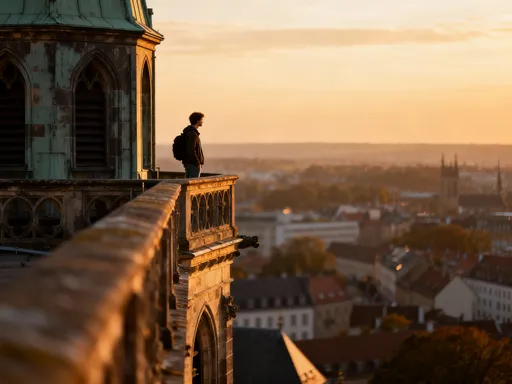
No visit to Debrecen is complete without ascending the tower of the Great Reformed Church, a landmark that dominates the city’s skyline and serves as its most recognized viewpoint. Completed in the early 19th century, the church is not only a place of worship but a symbol of the city’s enduring Protestant heritage. Its neoclassical façade and towering steeple make it a focal point in the central square, and the climb to the top offers one of the most comprehensive panoramic views in eastern Hungary. From the observation platform, visitors can see the city unfold in all directions—red rooftops stretching into the distance, tree-lined avenues converging like spokes, and the surrounding flatlands fading into the horizon.
The ascent itself is an experience. A narrow, winding staircase of over 200 steps leads to the top, with each turn offering glimpses of the church’s interior and the growing expanse of the city below. The climb is moderately strenuous, so it is advisable to take breaks if needed, especially for those with limited mobility. The effort is rewarded with unobstructed 360-degree views, particularly striking at golden hour when the late afternoon light bathes the city in a warm glow. On clear days, visibility extends for miles, making it possible to see distant farmlands and the faint outline of the Hortobágy plains.
However, this iconic experience comes with several pitfalls that can dampen the visit if not anticipated. First, opening hours are limited and vary by season. The tower is typically open from late morning to early afternoon, with shorter hours on weekends and closures during religious holidays. Visitors who arrive late in the day may find themselves locked out, so checking the official schedule in advance is crucial. Second, ticketing can be confusing. While entry to the church is free, access to the tower requires a small fee, which must be paid at a separate booth nearby. There is no signage clearly indicating where to purchase tickets, leading many to assume the tower is closed when they simply haven’t found the right place.
Another common issue is crowding. During peak tourist months—especially in summer and around religious festivals—the tower can become congested, with long waits to climb and limited space at the top. Families and tour groups often take up the platform, making it difficult to take photos or enjoy a moment of quiet reflection. To avoid this, visiting early in the morning on a weekday is highly recommended. Additionally, the staircase is not suitable for young children or those with vertigo, and there are no elevators or alternative access options. Despite these challenges, the Great Reformed Church tower remains a must-see. With proper planning, it delivers a powerful sense of perspective—both literally and metaphorically—on Debrecen’s place in the Hungarian landscape.
Hidden High Point: The Quiet Beauty of Calvinist Church Hill
Just a short walk from the bustling center lies a lesser-known elevation that offers one of Debrecen’s most serene views: the hill near the Calvinist Church. Unlike the grandeur of the Great Reformed Church, this site is modest in appearance but rich in atmosphere. The church itself is a simple, whitewashed building surrounded by a quiet courtyard, but the real treasure is the sloping ground behind it, which rises gently to offer a clear, unobstructed view of central Debrecen. From this vantage point, the city’s rooftops, church spires, and tree canopies stretch out like a living tapestry, with the Great Reformed Church steeple rising prominently in the distance.
What makes this spot so special is its tranquility. While the main square buzzes with activity, this corner of the city feels almost forgotten, visited more by local residents than tourists. It is an ideal place for early risers, as the morning light filters through the trees and casts soft shadows across the rooftops. Sunset is equally magical, with the western sky ablaze in hues of orange and pink, reflecting off the city’s windows and giving the entire scene a golden warmth. Because there are no barriers or fences, visitors can sit on the grass, bring a light blanket, and enjoy a peaceful moment of contemplation.
Finding this viewpoint, however, requires a bit of local knowledge. There is no official signage directing visitors to the hill, and the path leading up is narrow and easily overlooked. Many pass by without realizing the elevation change or the view that awaits. The entrance is tucked between two residential buildings, marked only by a small, weathered stone step. Once you spot it, the climb is gentle and takes less than two minutes. The lack of formal infrastructure adds to the charm, but it also means the area can be slippery after rain or overgrown in late summer. Wearing sturdy shoes and checking the weather beforehand can prevent minor mishaps.
One of the most common mistakes visitors make is assuming this is just another churchyard. Without pausing to look beyond the immediate surroundings, they miss the gradual rise and the open sightline that develops as you ascend. Another oversight is visiting during midday, when the sun is directly overhead and creates harsh contrasts, diminishing the photo quality. The best times are early morning or late afternoon, when the light is soft and directional. For women traveling alone or in small groups, this spot offers a safe, quiet retreat where you can pause, breathe, and take in the city without feeling rushed. It is a reminder that some of the most memorable travel moments come not from famous landmarks but from quiet discoveries made off the beaten path.
Nature with a View: Navigating the University Park for Elevated Moments
At the heart of Debrecen lies the University Park, a sprawling green oasis that serves as both a recreational space and a natural canvas for elevated viewpoints. Originally designed in the 19th century, the park blends formal landscaping with wooded groves, winding paths, and open meadows. While it may appear flat at first glance, careful exploration reveals subtle changes in elevation—small hills, terraced slopes, and raised walkways—that offer surprising perspectives on the city. These natural high points are not marked on maps, but they are easy to discover with a bit of attention to the terrain.
One of the most rewarding areas is the northern edge of the park, where the land rises gently toward the university campus. From this vantage, you can see the rooftops of academic buildings blending into the cityscape, with the Great Reformed Church steeple visible in the distance. The view is especially striking in autumn, when the trees turn vibrant shades of red, orange, and gold, creating a layered effect that enhances depth and visual interest. Spring offers a different kind of beauty, with blooming magnolias and cherry trees framing the skyline in soft pastels. Even in winter, when the park is dusted with snow, the bare branches create intricate patterns against the sky, offering a minimalist yet powerful aesthetic.
However, not all paths in the park lead to rewarding views. Some trails loop through dense foliage without any elevation gain, ending where they began with little to show for the walk. This can be frustrating for visitors expecting a scenic payoff. The key is to follow paths that slope upward or lead toward open clearings. The central promenade, for example, runs east-west and remains largely flat, while side paths branching north or south often climb slightly. Paying attention to the direction of sunlight can also help—areas facing west are ideal for sunset viewing, while eastern slopes catch the first light of day.
Another consideration is seasonal accessibility. After heavy rain, some elevated areas become muddy and slippery, making them difficult to navigate without proper footwear. In summer, overgrown vegetation can block sightlines that are clear in other seasons. Visitors should plan accordingly, bringing comfortable walking shoes and checking the weather forecast. For families or older travelers, the park’s main pathways are well-maintained and accessible, but the more scenic high points may require a bit more effort. The reward, however, is worth it: a peaceful moment above the city, surrounded by nature, where the pace of life slows and the beauty of Debrecen reveals itself in quiet, unguarded moments.
Overlook or Overhyped? Assessing the Nagyerdei Forest Experience
Nagyerdei Park, often referred to as Debrecen’s green crown, is a vast recreational area that combines forested zones, sports facilities, and botanical gardens. Many visitors assume that walking into the woods will naturally lead to panoramic views, but this is a common misconception. The dense canopy of oak and beech trees, while beautiful, often blocks long-distance sightlines, creating a sense of enclosure rather than elevation. However, there are specific edges and clearings within the park where the terrain rises and the trees thin, offering unexpected glimpses of the city beyond.
One such spot is near the Nagyerdei Stadium, where the land slopes upward along the southern boundary. From this vantage, particularly along the walking trail that circles the sports complex, you can see the city skyline emerging through the trees. The contrast between the modern stadium lights and the historic church spires in the distance creates a compelling visual narrative of old and new. Another promising area is the edge of the Botanical Garden, where terraced plantings and open lawns provide natural elevation. During spring and early summer, the garden’s floral displays add color and texture to the view, making it a favorite among photographers.
Yet, the challenge lies in knowing where to go. Unlike more structured parks, Nagyerdei does not have a network of marked viewpoints. Visitors who wander aimlessly may spend hours in the forest without ever reaching a spot with a clear horizon. The park’s size—over 100 hectares—can be disorienting, especially for first-time visitors. There are maps at the main entrances, but they focus on facilities rather than scenic routes. A better strategy is to enter from the south or west and follow the perimeter paths, which are more likely to follow the natural contours of the land.
Additionally, the time of year plays a significant role in visibility. In full leaf, the forest is lush but obstructive; in winter, when trees are bare, sightlines improve dramatically. Early morning visits are ideal, as fog often lifts to reveal a soft, diffused light that enhances the mood of the landscape. For those seeking solitude, the outer edges of the park are less frequented than the central attractions, making them perfect for quiet reflection. While Nagyerdei may not offer the dramatic overlooks of mountainous regions, its subtle elevations and carefully framed views reward patience and intention. It is a reminder that not every forest path leads to a vista—but the right one can offer a moment of quiet revelation.
Timing, Weather, and Light: The Invisible Factors That Make or Break a View
Even the most promising viewpoint can disappoint if visited at the wrong time. In Debrecen, as in any destination, the quality of a view depends heavily on timing, weather, and lighting—factors that are often overlooked in travel planning. A panoramic vista that dazzles at sunrise may appear flat and unremarkable at noon. Fog, haze, or overcast skies can obscure distant landmarks, while strong midday sun creates harsh shadows and glare. Understanding these invisible variables is essential for maximizing your experience.
Sunrise and sunset, commonly known as the golden hours, offer the most favorable lighting conditions. During these times, the sun sits low on the horizon, casting a warm, diffused glow that enhances textures and colors. In Debrecen, this means rooftops glow amber, tree canopies take on a three-dimensional quality, and the sky transitions through a spectrum of pinks, oranges, and purples. These moments are fleeting—lasting only 20 to 30 minutes—so planning is crucial. Using free smartphone apps like PhotoPills or Sun Surveyor can help determine exact sunrise and sunset times, as well as the sun’s direction, allowing you to position yourself for the best shot.
Weather conditions also play a decisive role. Clear days are ideal for long-distance views, especially from elevated church towers or park hilltops. However, Debrecen’s continental climate means rapid changes are common. Mornings may start clear but turn hazy by afternoon, particularly in summer. Checking a reliable weather forecast app before heading out can prevent disappointment. Light rain can enhance a scene by adding reflections to cobblestone streets or making leaves glisten, but heavy rain or fog will limit visibility. Winter visitors should be aware that snow can both beautify and obstruct—while a fresh blanket adds charm, icy paths can make climbing unsafe.
Another often-missed factor is seasonal variation in daylight hours. In December, sunset occurs before 4:30 PM, limiting evening viewing opportunities, while in June, twilight extends past 9:00 PM, allowing for extended exploration. For women travelers who prefer to walk during daylight hours, aligning visits with longer days can enhance both safety and enjoyment. Additionally, weekdays tend to be less crowded than weekends, especially at popular spots like the Great Reformed Church tower. By combining timing, weather awareness, and local conditions, travelers can transform an ordinary sight into a memorable moment. The view itself may not change, but the way it is seen can be entirely different.
Smart Viewing: Combining Transit, Comfort, and Local Insight
To fully enjoy Debrecen’s viewpoints, a strategic approach is essential. This begins with transportation. The city has a reliable public transit system, including trams and buses, that connect major attractions. However, some of the best vantage points—like the hill behind the Calvinist Church or the northern edge of University Park—are not directly served by public transport. In such cases, walking or using a bike is often the most efficient option. Debrecen is a walkable city, with well-marked pedestrian zones and low traffic in residential areas. For longer distances, bike rental stations are available throughout the center, offering a flexible and eco-friendly way to explore.
Comfort should not be underestimated. Many viewpoints require walking on uneven terrain, climbing stairs, or standing for extended periods. Wearing supportive, non-slip footwear is essential, especially after rain or in wooded areas. Layered clothing is advisable due to temperature fluctuations between shaded forest paths and open, sunlit squares. Carrying a small backpack with water, a light snack, and a portable phone charger ensures you stay energized and connected. For women traveling with children or older companions, planning shorter routes with rest stops can make the experience more enjoyable for everyone.
Perhaps the most valuable resource is local insight. Hotel staff, café owners, and park visitors often know the best times to visit certain spots or can point out lesser-known paths. A simple question like “Where do you go to see the city?” can lead to unexpected recommendations. Locals may mention a quiet bench with a view, a hidden staircase, or a seasonal opening in the trees that frames the skyline perfectly. These small pieces of advice, passed on through conversation, often lead to the most authentic experiences. Additionally, joining a guided walking tour—even just for a few hours—can provide context and access to areas you might otherwise miss.
Flexibility is key. Weather may change, a tower may be closed, or a path may be blocked. Having a backup plan—such as switching from an outdoor viewpoint to an indoor museum with a rooftop café—ensures that the day remains productive and enjoyable. Technology can assist: offline maps, translation apps, and real-time transit updates help navigate without stress. By combining practical preparation with openness to discovery, travelers can avoid frustration and make the most of Debrecen’s visual offerings. It is not about seeing everything, but about seeing deeply.
Conclusion: Elevating Your Travel Experience in Debrecen
Debrecen’s true visual treasures are not always found on postcards or in guidebooks. They reveal themselves to those who look beyond the obvious, who climb with purpose, walk with attention, and wait with patience. The city’s most memorable viewpoints—whether from a historic church tower, a quiet hillside, or a forest clearing—are earned through preparation and presence. Each offers more than just a panorama; they provide a moment of connection, a shift in perspective, a deeper understanding of place.
Yet, even the most beautiful locations can disappoint without awareness of the practical realities. Limited hours, poor signage, weather conditions, and timing can all interfere with the experience. The difference between a forgettable glance and a lasting memory often comes down to simple choices: checking the forecast, wearing the right shoes, asking a local for advice, or choosing the right moment to look. These small acts of mindfulness transform sightseeing into meaningful exploration.
For the thoughtful traveler, Debrecen offers a quiet invitation: to slow down, to look higher, and to see more deeply. It is a city that rewards curiosity and preparation, where the act of viewing becomes a form of engagement. By avoiding common missteps and embracing a strategic, reflective approach, visitors can uncover the quiet majesty of this eastern Hungarian gem. In the end, the best views are not just seen—they are felt, remembered, and carried forward as part of a journey well taken.