You Won’t Believe These Jeonju Sights Everyone Gets Wrong
Jeonju, South Korea, is famous for its hanok village and bibimbap, but not every scenic spot lives up to the hype. I visited with sky-high expectations—only to find some attractions overcrowded, overrated, or hiding unexpected quirks. What looks perfect in photos can feel underwhelming in person. This is a real talk about the scenic spots that disappointed me, and those that truly amazed. Let’s save you the trouble. From the postcard-perfect courtyards to the hidden lanes humming with quiet life, Jeonju reveals itself differently depending on when, how, and why you visit. This guide unpacks the myths, manages expectations, and highlights the moments that genuinely moved me—so your trip becomes less about ticking boxes and more about feeling connected.
The Hanok Village Hype—And the Hidden Downsides
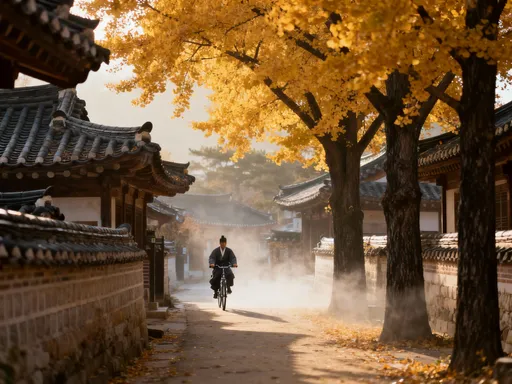
Jeonju Hanok Village is often presented as the heart of the city, and for good reason. With over 800 traditional Korean houses preserved in a compact urban setting, it offers one of the most accessible glimpses into Joseon-era architecture and lifestyle. Wooden beams curve gently under tiled roofs, stone pathways wind through shaded alleys, and the scent of roasted sweet potatoes lingers in the air during winter. It’s no wonder this place draws over three million visitors annually. The cultural weight is real—this was once the home of royal descendants, and many homes still serve ancestral rites or operate as family-run guesthouses.
Yet, popularity has reshaped the experience. What was once a living neighborhood now functions partly as a tourist bazaar. Along the main thoroughfares, especially near the entrance gates, traditional houses have been converted into souvenir shops, dessert cafes, and photo studios offering hanbok rentals. While wearing a hanbok can deepen cultural immersion, the sheer volume of tourists in matching outfits creates a sense of repetition rather than authenticity. During weekends and national holidays, walking through the central alleys feels less like a stroll through history and more like navigating a festival crowd. Lines form outside famous photo spots, and quiet contemplation becomes nearly impossible.
The commercialization isn’t inherently negative—local businesses benefit, and visitors enjoy interactive experiences—but it does shift the atmosphere. Some families who’ve lived here for generations have moved out due to rising costs and noise, altering the social fabric. The village still holds soul, but it’s now layered beneath tourism infrastructure. To experience it more authentically, consider visiting on a weekday morning, ideally between 7:30 and 9:00 a.m., when the golden light softens the rooftops and most tour groups haven’t arrived. At that hour, you might catch an elder tending a garden, steam rising from a kitchen chimney, or the distant sound of a child practicing traditional music—glimpses of daily life that persist beneath the surface.
For photography, skip the most crowded junctions. Instead, wander into the side alleys branching north of Gyeonggijeon Shrine. These paths are less maintained but more atmospheric, with moss-covered walls and asymmetrical rooflines that tell stories of time and weather. Bring a wide-angle lens, but also leave room for unplanned moments: a cat napping on a wooden step, laundry flapping between houses, or sunlight filtering through paper windows. The real charm of the hanok village isn’t in its perfection—it’s in its imperfections, its quiet resilience amid change.
Bibimbap Temptations: When Food Steals the Spotlight from Scenery
No discussion of Jeonju is complete without mentioning bibimbap, the city’s culinary crown jewel. This colorful rice bowl, topped with seasoned vegetables, egg, gochujang, and sometimes beef, originated here and is protected as a regional specialty. Many travelers plan their entire itinerary around tasting the “best” version, often heading straight to Nambu Market or one of the famous restaurants near the hanok village. And yes, the food is exceptional—fresh, vibrant, and deeply satisfying. But there’s a subtle trade-off: in the pursuit of the perfect meal, some of Jeonju’s quieter cultural experiences get overlooked.
It’s easy to spend an entire morning hopping between bibimbap spots, dessert cafes, and street food stalls, especially in Nambu Market, where the energy is infectious. The market itself is a feast for the senses—vendors call out prices, baskets overflow with persimmons and dried seaweed, and the smell of grilled fish mingles with sweet red bean pancakes. Yet, this sensory overload can distract from slower, more reflective experiences nearby. Just a ten-minute walk from the market lies the Jeonju National Museum, a serene complex showcasing artifacts from the Baekje Kingdom and traditional Korean crafts. Few tourists make the detour, even though it offers context for the very culture they’re sampling through food.
The imbalance isn’t just logistical—it’s experiential. Eating is a form of connection, but when it dominates the itinerary, it risks turning culture into consumption. Imagine visiting Paris solely for croissants or Kyoto only for matcha desserts. The flavors matter, but so does the framework around them. In Jeonju, that framework includes calligraphy workshops, traditional music performances, and quiet temples tucked behind residential blocks. These aren’t “hidden” in the secretive sense—they’re simply less promoted, less Instagrammable, and require a bit more intention to find.
A balanced approach works best. Start with breakfast bibimbap, yes, but follow it with a visit to a local artisan workshop, such as one of the paper-making studios that still practice hanji craftsmanship. Many are family-run and welcome short visits. You might watch a craftsman dip a screen into pulp, lift it slowly, and set it to dry in the sun—a meditative process unchanged for centuries. Then, later in the day, enjoy a second, smaller meal at a lesser-known restaurant, perhaps one recommended by a shop owner rather than a travel blog. This rhythm allows food to enhance the journey rather than define it entirely.
Overrated Photo Ops: The Gap Between Instagram and Reality
Social media has transformed how we see Jeonju, often elevating specific spots to iconic status based on a single striking image. Gyeonggijeon Shrine, dedicated to the ancestors of the Joseon dynasty, is a prime example. Its vibrant red pillars, green eaves, and symmetrical courtyards make for stunning photographs, especially in morning light. Countless influencers and travelers pose here, arms outstretched or seated gracefully on stone steps. But while the visuals are undeniably beautiful, the actual experience can feel constrained. The shrine is small—less than 200 meters across—and during peak hours, it’s nearly impossible to find a moment without other tourists in frame.
Moreover, the strict rules of conduct—no running, no loud voices, no stepping off designated paths—mean that while the setting feels sacred, it also feels managed. The spiritual atmosphere is real, but it’s filtered through layers of tourism protocol. Similarly, certain “scenic alleys” in the hanok village are famous for their photogenic curves and rooflines, but they’re often narrow, one-way paths where groups must pause to let others pass. The result? A bottleneck of people waiting to take the same shot, sometimes disrupting residents’ daily routines.
The issue isn’t that these places aren’t worth visiting—they are. The problem lies in expecting them to deliver a transcendent experience simply because they look magical online. Lighting plays a huge role: a courtyard that glows amber at sunrise may appear flat and shadowless at noon. Angles matter too; the perfect composition often requires stepping into restricted areas or blocking foot traffic, which isn’t respectful or sustainable. And while drone photography could offer breathtaking overhead views, it’s prohibited in most parts of the hanok village due to privacy concerns and flight regulations.
Managing expectations is key. Instead of chasing the “perfect” shot, consider capturing moments of movement and life. A vendor arranging flowers outside her shop, a couple sharing a bench under a ginkgo tree, or raindrops gathering on a paper lantern—these images often resonate more deeply than static, staged poses. Bring a notebook and sketch a rooftop instead of just photographing it. Slow down. The goal isn’t to replicate someone else’s feed, but to build your own memory of the place.
The Quiet Gems Most Tourists Miss Completely
Away from the main attractions, Jeonju reveals a gentler, more personal side. One of the most peaceful experiences I had was walking along the Dongjincheon River in the early evening. This narrow waterway flows quietly through residential neighborhoods, lined with willow trees and simple footbridges. Benches dot the path, and locals stroll with dogs or sit reading books. In autumn, the ginkgo trees turn the riverside into a corridor of gold. There are no signs advertising this spot, no souvenir stalls, no crowds—just a sense of calm that’s rare in tourist hubs.
Another overlooked destination is the cluster of small art galleries between Jeondong Cathedral and the hanok village. These spaces, often run by local artists, display ink paintings, ceramic sculptures, and contemporary interpretations of traditional motifs. Admission is usually free or minimal, and visitors are welcomed warmly. One gallery, housed in a renovated hanok, featured a series of woodblock prints depicting seasonal changes in the village—each piece rich with texture and memory. The owner, a retired teacher, offered tea and shared stories about the neighborhood’s evolution over decades.
These quiet spots matter because they reflect Jeonju’s true rhythm—one of reflection, creativity, and continuity. They’re not designed for mass appeal, which is precisely why they feel authentic. To find them, resist the urge to follow only marked trails or app-recommended routes. Instead, allow for aimless wandering. Turn down a side street that looks inviting. Follow the sound of music. Pause when you notice a courtyard with blooming camellias. Ask a shopkeeper for advice: “Where do you go to relax?” or “What’s your favorite place nearby?” The answers often lead to places not found on maps.
Even within the hanok village, there are pockets of stillness. Look for the smaller shrines tucked between houses, where incense burns and offerings sit on stone altars. Visit during twilight, when the streetlights flicker on and the golden hour light gilds the rooftops. These moments don’t require tickets or reservations—they only ask for presence.
Seasonal Surprises: What Time of Year Really Matters
Jeonju changes dramatically with the seasons, and timing your visit can make or break the experience. Spring, particularly late March to early April, brings cherry blossoms to the city’s parks and riverbanks. The Jeonju Hanok Village Festival also takes place during this period, featuring traditional performances, folk games, and special night illuminations. It’s undeniably beautiful, but it’s also the busiest time of year. Hotels book up months in advance, and the village can feel overwhelming. Lines for bibimbap restaurants stretch around the block, and photo spots are claimed within minutes of opening.
Summer is hot and humid, with frequent afternoon rains. While the greenery is lush and the rice fields outside the city glow emerald, outdoor comfort decreases. That said, summer hosts the Jeonju International Film Festival, drawing cinephiles and artists from across Asia. Screenings take place in repurposed hanok buildings and open-air venues, creating a unique cultural atmosphere. If you visit during this season, plan indoor activities for midday and explore in the cooler mornings and evenings.
Autumn, from late September to November, is often considered the ideal time. The temperatures are mild, the skies are clear, and the foliage—especially ginkgo and maple trees—paints the city in warm hues. The air carries a crispness that makes walking enjoyable. However, this season also draws large crowds, particularly during the Chuseok harvest holiday, when families travel across the country. Expect limited availability and higher prices if visiting during major holidays.
Winter, often overlooked, offers its own quiet magic. Snowfall is light but frequent enough to dust the hanok roofs in white, creating a scene straight from a painting. The village feels more intimate, with fewer tourists and a slower pace. Warm up with hot tteokguk (rice cake soup) or sweet pumpkin porridge from a local market stall. The cold air sharpens the senses, making every detail—the grain of wood, the pattern of frost on glass—feel more vivid. For those seeking tranquility over spectacle, late winter may be the best-kept secret of all.
Transport & Timing: Navigating Jeonju Without the Stress
Getting around Jeonju is generally straightforward, but certain challenges can catch visitors off guard. The hanok village is a designated low-traffic zone, with many alleys restricted to pedestrians or one-way vehicle flow. Parking is limited and often requires a short walk from outer lots. If arriving by car, plan to park at the official visitor lots near the south or west entrances and enter on foot. Public buses connect major areas, including the train station and downtown, but schedules may not align perfectly with tourist hours, especially on weekends.
One of the most effective ways to explore is by bicycle. Rental stations are available near the village and along the river, and the flat terrain makes cycling comfortable for most ages. Biking allows you to cover more ground than walking while still moving slowly enough to absorb details. You can ride along the Dongjincheon path, loop around the outer edges of the hanok district, or pedal to nearby cultural sites like Hyanggyo Confucian School. Just be mindful of narrow passages and pedestrian traffic when entering the core village area.
English signage has improved in recent years, but it’s still inconsistent. Major landmarks have translations, but smaller alleys and local businesses may not. Having a map app with offline capability is helpful, but don’t rely solely on GPS—some alleys aren’t accurately mapped. A paper map from the tourist information center can be a useful backup. If you’re unsure of directions, don’t hesitate to ask locals. Many younger residents speak basic English, and even those who don’t will often gesture or walk you partway to your destination.
Timing your movements is just as important as your mode of transport. Start early—ideally before 8:00 a.m.—to beat the crowds and experience the city as it wakes up. Save popular spots like Gyeonggijeon Shrine or Nambu Market for mid-morning, when vendors are fully set up but lines are still manageable. Use the midday hours for indoor activities: museums, galleries, or tea houses. Then, return to the village in the late afternoon for softer light and a more relaxed atmosphere. This rhythm not only reduces stress but also deepens your connection to the city’s natural pace.
Reframing the Journey: How to See Jeonju Like a Local
The most memorable moments in Jeonju weren’t the ones I planned—they were the ones I stumbled into. Sitting on a wooden step, sharing a bag of roasted chestnuts with a grandmother who didn’t speak my language. Watching a young artist sketch the rooftops from a quiet courtyard. Sipping barley tea in a sunlit room while the sound of a gayageum drifted from the next house. These weren’t on any itinerary, yet they stayed with me long after the trip ended.
Seeing Jeonju like a local doesn’t mean rejecting tourism—it means shifting from a checklist mindset to a presence-based one. Instead of asking “What have I seen?” try asking “What did I feel?” Slow down. Sit longer. Return to the same spot at different times of day. Notice how light changes, how sounds shift, how people move through space. Let go of the need to capture everything and allow some moments to exist only in memory.
Engage with the community when possible. Buy a handmade fan from a craft vendor. Attend a short cultural demonstration. Stay in a hanok guesthouse to experience overnight life in the village. These choices support local livelihoods and create more meaningful connections. And remember, not every spot needs to be famous to be special. The alley where laundry flaps in the wind, the corner where a cat naps in a flowerpot, the bench under a tree where an old man reads the newspaper—these are the quiet poems of Jeonju.
In the end, the city teaches a gentle lesson: beauty isn’t only in the spotlight. It’s also in the shadows, the pauses, the unremarkable corners that, when seen with care, become extraordinary. Don’t just visit Jeonju—linger in it. Let it unfold at its own pace. The real sights aren’t always the ones everyone talks about. They’re the ones you discover when you stop looking for them.