You Won’t Believe What I Ate in Kuching—Culture on a Plate!
Kuching isn’t just Malaysia’s cultural heartbeat—it’s a flavor explosion waiting to happen. Wandering its streets, I stumbled upon food that tells stories: of indigenous tribes, colonial echoes, and spice-laden trade routes. From smoky sambal to slow-cooked laksa, every bite feels alive with tradition. This isn’t just dining—it’s cultural immersion with a side of chili. If your idea of travel includes tasting authenticity, Kuching should be next on your list.
The Soul of Sarawak: Why Kuching’s Culture Feeds the Senses
Kuching, the capital of Sarawak on the island of Borneo, stands as a living tapestry of cultures woven together over centuries. Malay, Chinese, Iban, Bidayuh, and Orang Ulu communities coexist here, each contributing distinct traditions, languages, and culinary practices. This rich blend isn’t just visible in architecture or festivals—it’s most vividly expressed on the plate. Food in Kuching is more than sustenance; it is memory, identity, and celebration served warm. Meals are often communal, prepared with care and shared during family gatherings, religious holidays, and community events. The aroma of grilled fish wrapped in banana leaves or the sight of colorful rice cakes at a wedding feast speaks volumes about belonging and heritage.
Colonial influences from the British Raj era linger subtly in afternoon tea traditions and bakery items like kaya puffs, while indigenous techniques—such as cooking in bamboo tubes over open fires—remain central to Iban and Dayak celebrations. These traditions are not preserved merely for tourists but are actively practiced in homes and longhouses across the region. In fact, many dishes are tied to seasonal rituals, such as harvest festivals where entire villages come together to cook and give thanks. This deep connection between food and culture means that every meal offers insight into how people live, what they value, and how history continues to shape their daily lives.
For travelers, especially women between 30 and 55 who seek meaningful experiences beyond shopping malls and photo ops, Kuching presents a rare opportunity: to connect with locals through shared meals, learn ancestral recipes, and understand how food sustains both body and spirit. Whether it’s helping stir a pot of rice porridge at a home kitchen or being invited to taste a ceremonial dish during a visit to a longhouse, these moments foster genuine human connection. They remind us that food is one of the most intimate forms of cultural exchange—accessible, emotional, and deeply personal.
Morning Bites and Market Vibes: Starting the Day Like a Local
There’s a special rhythm to mornings in Kuching, best experienced not in a hotel dining room, but at one of its vibrant wet markets. Green Hill Market, a bustling hub in the heart of the city, awakens before sunrise with vendors setting up stalls under corrugated tin roofs. The air hums with chatter, sizzling woks, and the scent of freshly brewed coffee and toasted bread. Here, breakfast is not rushed—it’s ritual. Locals queue patiently for steaming bowls of kolo mee, springy egg noodles tossed in a savory shallot oil and soy sauce dressing, topped with char siu pork or minced chicken. It’s simple, satisfying, and beloved across generations.
Equally iconic is nasi lemak, Malaysia’s unofficial national breakfast. In Kuching, it’s served with a twist—coconut milk-infused rice wrapped in banana leaf, accompanied by crispy anchovies, roasted peanuts, hard-boiled egg, and a dollop of sambal that ranges from mildly warm to eye-wateringly hot. What makes this meal more than just delicious is its role in daily life. Office workers, schoolchildren, and elderly neighbors all gather at roadside stalls, sharing tables and stories over early bites. These informal hawker spots are democratic spaces where everyone eats side by side, united by hunger and habit.
But the market offers more than cooked food. Rows of fruit vendors display nature’s candy: juicy mangosteens with deep purple shells, spiky rambutans with hairy red skin, and golden slices of ripe durian—known as the “king of fruits” and celebrated for its rich, custard-like flesh. For visitors, sampling these tropical treasures is a sensory delight, but also a lesson in seasonality and local agriculture. Vendors proudly explain how certain fruits are harvested only during specific months, reflecting a way of eating in tune with the land. Engaging with them—asking questions, trying samples, even attempting a few words in Malay—opens doors to friendship and deeper appreciation.
Laksa Without Borders: The Legendary Kuching Laksa Unpacked
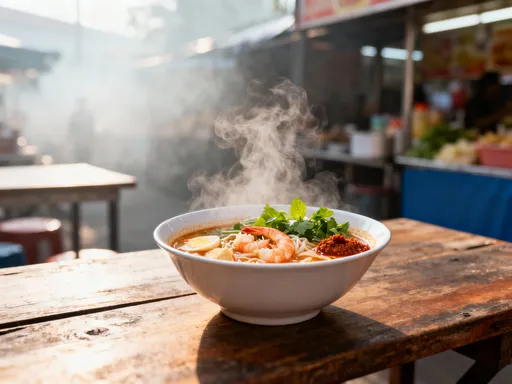
No visit to Kuching is complete without tasting its most famous culinary export: Kuching Laksa. Unlike the curry-heavy versions found elsewhere in Malaysia, this laksa is a harmonious blend of creamy coconut milk, tangy tamarind, and fermented shrimp paste known as cincalok. The broth, bright orange and fragrant, cradles rice vermicelli, shredded chicken, bean sprouts, and a scattering of fresh laksa leaves—also called daun kesum—which lend a citrusy, almost medicinal freshness. Each spoonful delivers complexity: sweet, sour, salty, and spicy in perfect balance.
What sets Kuching Laksa apart is not just flavor, but origin. It reflects the city’s multicultural roots—Malay spicing techniques, Chinese noodle craftsmanship, and indigenous use of local herbs. Some say it was born in the kitchens of Peranakan families, where Straits Chinese traditions met Bornean ingredients. Others trace it back to humble street vendors who perfected the recipe over decades of trial and error. Whatever its beginnings, it has become a symbol of local pride. Residents debate fiercely over who makes the best bowl, and many return to the same stall for years, trusting a single cook’s touch above all others.
While some travelers seek out famous laksa spots, the truth is that authenticity isn’t confined to well-known addresses. Some of the most memorable bowls are found in quiet corners—near bus stops, tucked behind temples, or in open-air food courts where plastic stools and ceiling fans set the scene. The key is freshness: the broth should be simmered daily, the noodles cooked to order, and the garnishes vibrant and crisp. Travelers are encouraged to follow the locals—if a stall has a line of regulars, especially in the morning or late afternoon, it’s likely worth the wait. And for those wary of spice, most vendors will adjust the heat upon request, ensuring everyone can enjoy this signature dish without discomfort.
Hidden Haws: Secret Eateries and Off-the-Beaten-Path Flavors
Beyond the main roads and tourist maps lie neighborhoods where tradition thrives quietly—places like Kampung Siang, Matang, and parts of Petra Jaya, where Iban and Bidayuh families run small eateries serving ancestral recipes. These spots rarely appear on digital maps, but they offer some of the most authentic tastes of Sarawak. One such dish is pansoh manok, a traditional Iban preparation where chicken is marinated with lemongrass, ginger, and wild pepper, then stuffed into a bamboo tube and slow-roasted over an open fire. The result is tender, smoky meat infused with earthy aromas that cannot be replicated in a modern kitchen.
Another regional favorite is midin, a wild jungle fern foraged from nearby forests and quickly stir-fried with garlic and belacan (shrimp paste). Its crunch and slight bitterness contrast beautifully with rich rice dishes, and it’s often served at family gatherings or longhouse feasts. For visitors, trying midin isn’t just about taste—it’s an invitation to appreciate how deeply Sarawakians rely on and respect their natural environment. Other unique offerings include umai, a coastal delicacy of raw fish cured in lime juice and mixed with onions and chilies—similar to ceviche—and tuak, a mildly alcoholic rice wine traditionally served during Gawai Dayak, the annual harvest festival.
Finding these hidden gems requires curiosity and a willingness to explore. A short drive from the city center, guided by a local friend or community tour, can lead to home-based kitchens where meals are cooked in clay pots over wood fires. These experiences often include stories about the dishes, explanations of ingredients, and even invitations to help prepare the next course. For women travelers seeking connection and authenticity, such encounters are invaluable. They move beyond transactional tourism and enter the realm of cultural hospitality—where sharing food is an act of trust and welcome.
From Farm to Flavor: Connecting with Food Origins in Rural Kuching
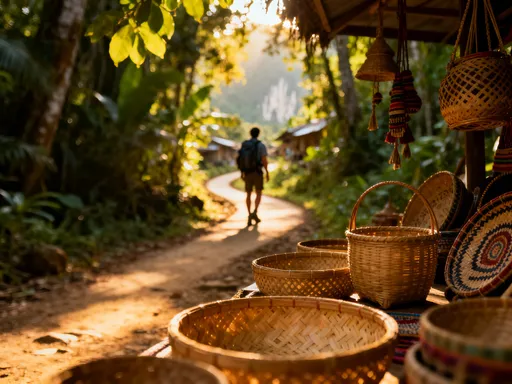
To truly understand Kuching’s cuisine, one must step outside the city and visit the villages where ingredients begin their journey. Day trips to rural areas like Sadong Jaya, Sebako, or parts of the Batang Ai region reveal the agricultural heartbeat of Sarawak. Here, smallholder farms grow hill rice, turmeric, pineapples, and pepper—the famed Sarawak black pepper, known for its bold aroma and floral notes. Many families practice subsistence farming, growing enough for their households and selling surplus at weekly markets.
Visitors are increasingly welcomed into these communities through eco-tourism initiatives that combine cultural exchange with hands-on learning. Cooking demonstrations in longhouses allow guests to pound sambal in a mortar, husk coconut for milk, and wrap food in banana leaves. Some tours include visits to paddy fields, where elders explain traditional planting cycles and the significance of rice in Iban cosmology. These experiences do more than teach recipes—they illuminate the values behind the food: patience, sustainability, and gratitude for nature’s gifts.
One memorable morning, I joined a group in a Bidayuh village where we harvested vegetables from an organic garden, then prepared a meal using only wood-fired stoves and handmade tools. The simplicity was profound. Without modern appliances, cooking became a communal effort, requiring coordination, conversation, and care. Children helped wash greens, elders stirred pots, and guests were invited to try their hand at roasting fish over coals. The resulting meal—steamed fish with ginger and lime, wild ferns, and sticky rice—was unforgettable not because of luxury, but because of its honesty. It tasted of effort, connection, and place.
Such programs also support rural economies, offering alternative income to communities often overlooked by mainstream tourism. By participating, travelers contribute directly to preserving traditional knowledge and empowering local families. For mothers and grandmothers who have cooked for decades, these opportunities validate their skills and pass them on to younger generations. In a world where fast food and convenience dominate, these moments of slow, intentional eating feel revolutionary.
Street Food Wisdom: Navigating Safety, Etiquette, and Must-Try Rules
For many travelers, especially those accustomed to controlled environments, eating street food can feel daunting. Yet in Kuching, food safety is generally high, thanks to long-standing hygiene practices and public health awareness. Most reputable stalls maintain clean workspaces, use bottled or boiled water, and prepare food to order. A good rule of thumb is to observe the stall: if it’s busy with locals, especially during peak hours, it’s likely fresh and safe. High turnover means ingredients aren’t sitting out for long, reducing risk of spoilage.
Cash remains the primary mode of payment at markets and roadside stands, so carrying small bills is practical. While digital payments are growing, they’re not yet universal, particularly in rural areas. Tipping is not expected but appreciated if service is exceptional. When seated, it’s polite to wait for the host or vendor to signal that the food is ready, especially in home-based or community-run eateries. Sharing tables is common, and a friendly smile or nod goes a long way in building goodwill.
Spice tolerance varies widely, and while many dishes include chili, adjustments are usually possible. Don’t hesitate to ask for “kurang pedas” (less spicy) if needed. Similarly, if you have allergies—especially to seafood, peanuts, or gluten—it’s wise to mention them clearly, as cross-contamination can occur in shared kitchens. Most vendors are accommodating and will take care to prepare a modified version.
Table manners also reflect the multicultural fabric of Kuching. In Malay settings, eating with the right hand is traditional, though utensils are widely accepted. In Chinese-run stalls, chopsticks are standard, while indigenous communities may serve food on banana leaves or in bamboo containers. Respecting these small customs shows appreciation for local ways. Above all, eating in Kuching is meant to be relaxed and joyful. There’s no need for formality—just an open heart, a curious palate, and a willingness to try something new.
Beyond the Plate: How Food Shapes Kuching’s Future
The growing interest in culinary tourism is quietly transforming Kuching’s economy and cultural landscape. Local entrepreneurs, especially women, are launching food businesses that celebrate heritage while adapting to modern tastes. Home-based cafes, cooking classes, and artisanal product lines—like handmade sambal or bottled tuak—are creating new livelihoods and keeping traditions alive. Some community groups offer training programs for young chefs, emphasizing sustainable sourcing, food safety, and storytelling as part of the dining experience.
At the same time, food is becoming a tool for cultural preservation. As younger generations move to cities or adopt globalized diets, elders worry that traditional recipes may fade. Initiatives that document oral histories, record cooking methods, and host intergenerational workshops help bridge this gap. Schools in Sarawak now include local food studies in their curriculum, teaching children how to identify native plants, prepare ceremonial dishes, and understand the environmental impact of food choices.
For visitors, supporting these efforts means more than just eating well—it means contributing to a future where culture is not frozen in museums, but lived and renewed daily. Choosing family-run eateries over chain restaurants, buying from small producers, and engaging respectfully with local customs all make a difference. Travelers who take the time to learn a few phrases, ask about ingredients, or thank a cook by name participate in a deeper form of tourism—one rooted in dignity and connection.
Kuching reminds us that food is never just fuel. It is history, identity, and hope served on a plate. In a world that often feels fast and fragmented, it offers a return to what matters: shared tables, honest flavors, and the enduring power of tradition. To taste Kuching is to remember that the most meaningful journeys are not measured in miles, but in moments of connection—around a fire, at a market stall, or across a simple meal made with love.
In Kuching, every meal is a story, every spice a memory. It’s proof that to know a place, you must taste it—fully, fearlessly, and with gratitude.