You Won’t Believe These Hidden Natural Escapes Near Seville
When you think of Seville, grand plazas and flamenco come to mind—but beyond the city’s charm lies something wilder. I’m talking about sun-drenched rivers, olive-drenched hills, and forests that feel untouched. These natural landscapes near Seville aren’t just beautiful—they’re transformative. Trust me, escaping the urban buzz for a day in Andalusia’s green heart changes how you see Spain. While the city dazzles with its golden light and lively courtyards, just an hour’s drive in any direction reveals a quieter, greener rhythm. This is a region where nature doesn’t compete with culture—it complements it. Whether you're gliding down a river at dawn or hiking through ancient woodlands, these escapes offer renewal, perspective, and a deeper connection to the soul of southern Spain.
Reimagining Seville: More Than Just City Sights
Seville is often celebrated for its architectural splendor—the Giralda Tower piercing the sky, the Alcázar’s intricate tilework, and the bustling energy of the Santa Cruz neighborhood. Yet, for all its cultural richness, the city also serves as a gateway to some of Andalusia’s most pristine natural environments. Many travelers never leave the historic center, unaware that breathtaking landscapes unfold just beyond the ring roads. The truth is, Seville’s true essence lies not only in its monuments but in the harmony it shares with the surrounding countryside. This balance between urban life and natural serenity offers a more complete picture of Andalusian living—one where siestas are taken under olive trees and weekend outings involve picnics by freshwater springs.
What makes this duality so powerful is accessibility. Unlike remote wilderness areas that require days of travel, Seville’s natural escapes are within easy reach. Within 30 minutes, you can trade cobblestone streets for dirt trails. Within 90 minutes, you can stand at the edge of a protected wetland teeming with birdlife. This proximity allows for spontaneous day trips, weekend getaways, and even morning excursions before returning to the city for dinner. For travelers seeking both cultural immersion and outdoor rejuvenation, this blend is invaluable. It means you can admire centuries-old frescoes in the morning and swim in a secluded river pool by afternoon.
The integration of nature into daily Andalusian life isn’t new—it’s deeply rooted in tradition. Locals have long relied on the land for food, fuel, and respite. Today, this relationship continues through sustainable farming, eco-tourism, and community-led conservation efforts. Visitors who take the time to explore beyond the city limits aren’t just sightseeing—they’re participating in a living culture that values balance, seasonality, and respect for the environment. By stepping into this rhythm, even briefly, travelers gain a richer, more authentic understanding of what it means to live well in southern Spain.
The Guadalquivir River: Seville’s Lifeline to Nature
Flowing through the heart of Seville, the Guadalquivir River is more than a scenic backdrop—it’s a vital artery connecting the city to its natural surroundings. Originating in the Sierra Morena mountains and winding its way to the Atlantic, this river has shaped Andalusia’s history, agriculture, and ecology for millennia. Today, it offers one of the most accessible entry points into the region’s natural beauty. Along its banks within the city, wide promenades invite morning joggers, cyclists, and families enjoying weekend strolls. But venture slightly beyond the urban core, and the river transforms into a haven for wildlife and outdoor recreation.
One of the most rewarding ways to experience the Guadalquivir is by kayak or stand-up paddleboard. Several local outfitters offer guided tours that begin just outside Seville, taking paddlers through quiet stretches where kingfishers dart between reeds and herons stand motionless in shallow waters. These trips often pass remnants of old watermills and Roman bridges, blending natural and historical discovery. For those who prefer to stay on land, the river’s edges provide excellent opportunities for birdwatching, especially during migration seasons when flocks of flamingos, egrets, and storks gather in the wetlands near Alcalá del Río.
Further downstream, near the town of Coria del Río, the landscape opens into wide floodplains where locals gather in summer to swim and picnic. These spots are informal but well-used, with shaded areas beneath eucalyptus trees and shallow, calm waters perfect for children. While swimming directly in the city isn’t recommended due to boat traffic and water quality, these downstream locations offer safe and refreshing alternatives. The river also supports small-scale fishing, with traditional methods still practiced by local anglers who know the best spots for catching barbel and catfish.
What makes the Guadalquivir so special is its role as a living corridor between city and countryside. It reminds us that urban and natural spaces don’t have to be separate—they can coexist, each enriching the other. Whether you’re watching the sunset from a riverbank bench or gliding silently through a misty morning stretch, the Guadalquivir offers a peaceful counterpoint to Seville’s vibrant pace. It’s a place where time slows, and the senses come alive.
Sierra Norte: Andalusia’s Best-Kept Green Secret
Nestled in the northern reaches of Seville province, the Sierra Norte Natural Park is a sanctuary of biodiversity and tranquility. Covering over 177,000 hectares, this protected area is part of the Sierra Morena mountain range and boasts one of the largest expanses of Mediterranean forest in western Europe. What sets it apart is its remarkable blend of natural beauty, cultural heritage, and accessibility. Just 80 kilometers from Seville, this park feels worlds away—a realm of whispering cork oaks, crystal-clear streams, and villages where time moves gently. With more than 300 kilometers of marked trails, it’s a paradise for hikers, nature lovers, and anyone craving quiet immersion in unspoiled landscapes.
The heart of Sierra Norte is its dehesa ecosystem—a unique mix of open woodland and pasture that supports both wildlife and sustainable agriculture. Towering cork oaks dominate the scenery, their gnarled trunks bearing the marks of careful harvesting. Every few years, skilled workers strip the bark to supply the global wine industry, a practice that dates back centuries and is carefully regulated to protect the trees. This harmonious relationship between people and nature is evident throughout the park, where sheep graze beneath the trees and beekeepers maintain hives among wild thyme and rosemary.
Biodiversity thrives here. The park is home to the endangered Iberian lynx, though sightings are rare and typically limited to remote zones. More commonly seen are wild boar, red deer, and the elusive genet. Birdwatchers will appreciate the presence of black storks, imperial eagles, and Eurasian jays. The rivers and springs support otters and endangered freshwater crabs, while wildflowers bloom in spring, painting the hillsides in shades of purple, yellow, and white. Information centers in villages like Cazalla de la Sierra and Constantina offer maps, guided tour bookings, and educational exhibits about the region’s ecology.
Visitors don’t need a car to enjoy Sierra Norte. Regular buses from Seville connect to major towns within the park, and local taxi services can arrange transfers to trailheads. Many rural guesthouses, known as casas rurales, offer guided walks, bike rentals, and farm-to-table meals featuring local cheese, honey, and cured meats. For those who prefer structured exploration, the park’s network of Vías Verdes—repurposed railway lines turned into scenic walking and cycling paths—provides safe, flat routes ideal for families and casual adventurers. Whether you spend a day or a week, Sierra Norte offers a restorative escape rooted in authenticity and care for the land.
Doñana National Park: Wild Wetlands and Untamed Beauty
Just 100 kilometers west of Seville, Doñana National Park stands as one of Europe’s most ecologically significant protected areas. Designated a UNESCO World Heritage site and a Ramsar Wetland of International Importance, this vast expanse of marshes, dunes, and scrubland provides critical habitat for countless species, including many that are endangered. Spanning over 540 square kilometers, Doñana is not a place for casual wandering—it’s a fragile ecosystem that requires careful, regulated access. But for those who visit responsibly, it offers an unparalleled glimpse into wild, untamed nature.
The park’s dynamic landscape shifts with the seasons. In winter and spring, rains fill the marshes, transforming the region into a shimmering network of shallow lakes that attract tens of thousands of migratory birds. This is when Doñana truly comes alive—flamingos wade in pink clusters, black-winged stilts pick through the shallows, and ospreys dive for fish. The air echoes with the calls of grebes, spoonbills, and purple herons. For bird enthusiasts, this is nothing short of a dream destination. Even casual observers are struck by the sheer abundance of life, visible from observation platforms and guided routes.
Access to the park is strictly controlled to protect its delicate balance. Independent driving or hiking is not permitted in core zones. Instead, visitors must book guided tours through authorized operators, typically via 4x4 vehicles or small boats. These excursions are led by licensed naturalists who provide context about the ecosystem, its challenges, and conservation efforts. Some tours include visits to the park’s research stations, where scientists monitor species like the Iberian lynx and the Spanish imperial eagle. Educational programs emphasize the importance of preserving wetlands, not just for wildlife but for climate resilience and water regulation.
Doñana also plays a vital role in regional culture. Local communities have lived alongside these wetlands for generations, relying on seasonal hunting, fishing, and berry gathering—activities now regulated to ensure sustainability. The park’s management involves collaboration between national authorities, scientists, and residents, reflecting a shared commitment to balance. For travelers, visiting Doñana isn’t just about seeing rare animals—it’s about understanding the complexity of conservation and the value of protecting wild spaces. It’s a humbling experience, one that deepens appreciation for nature’s fragility and strength.
The Olive Country: Rolling Hills Beyond the Postcard
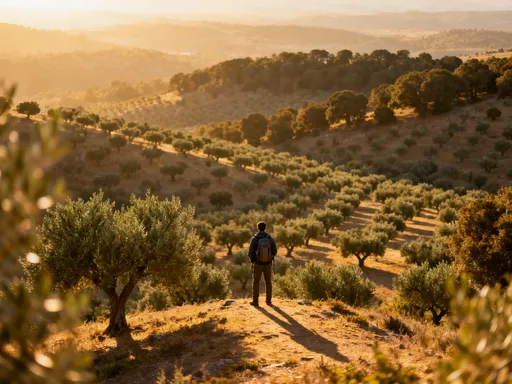
East of Seville, the landscape unfolds into an endless tapestry of olive groves, their silver-green leaves shimmering under the Andalusian sun. This is the heart of Spain’s olive oil production, where family-run farms and centuries-old mills preserve traditions passed down through generations. While often overlooked in favor of more dramatic mountain or coastal scenery, these rolling hills offer a quiet beauty all their own—a beauty rooted in rhythm, repetition, and resilience. Driving or cycling through this region feels like moving through a living painting, where every turn reveals a new vista of orderly rows climbing gentle slopes.
The ecological significance of these groves is often underestimated. Well-managed olive farms support biodiversity, providing habitat for birds, insects, and small mammals. Native plants grow between the trees, and many farmers avoid chemical pesticides, opting instead for natural pest control and soil enrichment. Some estates have transitioned to organic certification, further reducing environmental impact. These groves also play a role in carbon sequestration, with mature olive trees storing significant amounts of carbon dioxide over their long lifespans, which can exceed 500 years in some cases.
For visitors, the best way to engage with this landscape is through agritourism. Several farms welcome guests for tours that include walks through the groves, explanations of harvesting techniques, and, most importantly, oil tastings. These sessions are more than culinary experiences—they’re lessons in terroir, acidity, and aroma. Freshly pressed olive oil, still warm from the mill, carries a grassy, peppery kick that store-bought versions rarely match. Many farms pair tastings with simple meals made from local ingredients—goat cheese, sun-ripened tomatoes, and crusty bread dipped in golden oil.
Cycling routes crisscross the region, offering a peaceful way to explore at your own pace. The Vía Verde de la Sierra, though primarily in the north, connects to smaller rural paths that wind through olive country. E-bikes make the gentle hills accessible to all fitness levels, and many rental services include route maps and safety gear. Whether you spend an afternoon or a full day, traveling through these groves fosters a sense of calm and connection. It’s a reminder that beauty isn’t always found in grand vistas—it can also live in the quiet dignity of a thousand trees standing in the sun.
Seasonal Shifts: When Nature Performs Its Best
One of the most important factors in planning a visit to Seville’s natural surroundings is timing. The region’s landscapes undergo dramatic transformations throughout the year, each season offering a distinct experience. Understanding these shifts allows travelers to choose the best time for their preferred activities, whether that’s hiking, birdwatching, or simply enjoying comfortable temperatures. Spring, from March to May, is widely considered the peak season. Wildflowers blanket the hillsides, rivers run full, and temperatures hover between 18°C and 25°C—ideal for outdoor exploration. This is also the best time to see Doñana’s migratory birds and to hike in Sierra Norte without the summer heat.
Summer, particularly July and August, brings intense heat, with temperatures often exceeding 40°C in Seville. While the city can feel overwhelming, higher-altitude areas like Sierra Norte remain more temperate, making them excellent refuges. Early morning and late evening hikes are advisable, and swimming in natural pools or rivers becomes a welcome relief. Some olive grove farms offer shaded tours during cooler parts of the day, focusing on indoor tastings and educational talks. Doñana restricts access during the hottest months to protect both visitors and wildlife, so planning ahead is essential.
Autumn, from September to November, brings a return of mild weather and softer light. The olive harvest typically begins in October, offering a unique opportunity to witness or even participate in this centuries-old tradition. The groves buzz with activity as workers shake trees and collect fruit, which is then rushed to local mills. This is also a good time for birdwatching, as some species begin their southward migration. The landscape takes on golden and amber tones, creating a serene, reflective atmosphere.
Winter, though cooler, is far from dormant. Rainfall rejuvenates the land, filling rivers and wetlands. Doñana reaches its ecological peak, with flooded marshes attracting wintering birds from across Europe. Hiking remains enjoyable on dry days, especially in sheltered valleys. While some rural accommodations close during the off-season, those that remain open often offer quieter stays and personalized experiences. By aligning your visit with the seasons, you not only enhance your comfort but also deepen your connection to the natural rhythms of Andalusia.
How to Plan Your Escape: Transport, Time, and Responsible Travel
Planning a nature-focused trip from Seville is easier than many expect, but a few practical considerations can make the difference between a smooth adventure and a stressful detour. The most flexible option is renting a car, which allows you to set your own schedule and reach remote trailheads or rural farms. Major international and local rental companies operate at Seville Airport and in the city center, with rates varying by season. For destinations like Doñana or Sierra Norte, having a vehicle ensures access to areas not served by public transit. However, if you prefer not to drive, alternatives exist. Long-distance buses connect Seville to towns like Aznalcázar (near Doñana) and Constantina (in Sierra Norte), and regional train services reach some intermediate points.
Day trips are entirely feasible from Seville, especially for destinations within a 90-minute drive. Most visitors allocate six to eight hours for excursions, allowing time for travel, exploration, and a meal. For a more immersive experience, consider an overnight stay in a casa rural. These country inns, often converted farmhouses, offer comfort, local charm, and direct access to nature. Booking in advance is recommended, particularly during spring and autumn. When packing, prioritize lightweight, breathable clothing, sturdy walking shoes, sun protection, and a reusable water bottle. A small backpack with snacks, a map, and a camera will serve most needs.
Responsible travel is essential in these sensitive environments. Always follow marked trails, avoid littering, and respect wildlife by observing from a distance. In protected areas like Doñana and Sierra Norte, adhere strictly to regulations—these exist to preserve the very qualities that make these places special. Support local economies by dining at family-run restaurants, buying regional products, and booking tours with certified guides. Avoid loud noises, large groups, and off-road driving, which can disturb both animals and residents. By traveling mindfully, you help ensure these landscapes remain vibrant for future generations.
Ultimately, venturing into the natural spaces around Seville isn’t just about seeing new sights—it’s about feeling a deeper connection to place, season, and self. It’s about trading the predictable for the surprising, the crowded for the quiet, the artificial for the authentic. These escapes don’t require grand gestures or lengthy journeys. They begin with a simple decision: to look beyond the city walls and step into the green, flowing, sunlit heart of Andalusia.
Seville’s magic doesn’t end at its cathedral or palace gates—it spills into the wild, quiet spaces just beyond. Discovering these natural landscapes isn’t just an add-on; it’s a revelation. By stepping into the rivers, forests, and fields surrounding the city, travelers don’t just see more of Andalusia—they feel it. And that changes everything.