What Nobody Tells You About Eating in Bodrum
You know that magical moment when you're traveling and everything just clicks—sunshine, sea breeze, and the promise of an amazing meal? That’s Bodrum at sunset. But here’s the real talk: not every dining experience lives up to the dream. I’ve had mind-blowing mezes and shockingly bland seafood. From overpriced tourist traps to hidden gems locals barely share, eating in Bodrum is a journey with real pitfalls. Let me guide you through what *actually* works on the plate. It’s not just about finding food—it’s about discovering flavor, authenticity, and connection in one of Turkey’s most beloved coastal towns.
The Allure of Bodrum’s Coastal Cuisine
Bodrum’s culinary identity is shaped by its position on the sparkling Aegean coast, where fresh ingredients, age-old traditions, and a relaxed seaside rhythm come together to create something truly special. The local cuisine celebrates simplicity—grilled fish straight from the morning’s catch, sun-ripened tomatoes drizzled with golden olive oil, and herbs gathered from rocky hillsides. Meals unfold slowly, often beginning with a spread of colorful mezes: stuffed grape leaves, creamy yogurt with cucumber, smoky eggplant salad, and spicy pepper paste that warms the tongue. Each dish tells a story of seasonality and place, rooted in generations of coastal living.
The sensory experience of dining in Bodrum goes beyond taste. It begins with the scent of charcoal grills wafting through narrow alleyways, mingling with the salty air. It’s in the sound of raki glasses clinking at shared tables, where laughter rises above the murmur of conversation. Street vendors sell simit—sesame-crusted bread rings—while fishermen unload their nets near the harbor, offering the day’s freshest catch to nearby restaurants. This is food as celebration, as ritual, as daily joy. In Bodrum, eating isn’t just about sustenance; it’s a social event, a way of connecting with family, friends, and even strangers.
What sets Bodrum apart from other Mediterranean destinations is its balance between tradition and accessibility. Unlike more isolated villages, Bodrum has evolved into a cosmopolitan yet grounded destination where visitors can experience authentic Turkish flavors without needing to speak the language or navigate complicated customs. At the same time, the food remains deeply local. Restaurants that source from nearby farms and coastal waters serve dishes that reflect the true essence of the region—light, fresh, and full of character. Whether you're enjoying a simple lunch of fried calamari at a seaside shack or a multi-course dinner at a family-run meyhane, the emphasis is always on quality and hospitality.
Pitfall #1: The Tourist-Trap Trap
One of the most common dining disappointments in Bodrum happens not because the food is inherently bad, but because the value is severely lacking. Restaurants located within easy walking distance of the marina, the castle, or the main shopping streets often rely on foot traffic rather than reputation. These establishments know that visitors are drawn to views, convenience, and familiar menu items—and they price accordingly. It’s not unusual to pay nearly double for a grilled sea bass simply because the table offers a postcard-perfect sunset view. While ambiance has its place, it shouldn’t come at the cost of flavor or fairness.
Spotting these tourist traps requires attention to subtle cues. Menus printed in multiple languages with no prices listed are a red flag. So are laminated sheets with glossy photos of every dish—these are often signs of mass-produced meals prepared in advance. Another warning sign is a waiter who rushes to take your order the moment you step near the entrance, using persuasive language like “best fish in Bodrum” or “special price for you.” Genuine restaurants tend to be more relaxed, allowing guests to browse the day’s offerings without pressure. They often display fresh ingredients openly—whole fish on ice, baskets of seasonal vegetables, or handmade pastries behind glass.
The real cost of dining in these locations isn’t just financial—it’s experiential. When restaurants prioritize location over kitchen quality, they often cut corners. Fish may be frozen rather than fresh, herbs may be dried instead of fresh, and sauces may come pre-made. Portions might shrink while prices rise, leaving travelers feeling misled. One visitor recalled ordering what was advertised as “locally caught octopus” only to recognize the texture of reheated, pre-cooked seafood typically found in bulk packaging. These experiences don’t reflect Bodrum’s true culinary potential—they represent missed opportunities.
That said, not all waterfront restaurants are traps. Some long-standing establishments have earned their prime locations through consistent quality and loyal customer bases. The key is discernment. Look for places where locals dine, especially during weekday evenings. Observe whether the staff interacts naturally with returning guests. Check if the menu changes regularly based on availability. A truly good restaurant doesn’t need exaggerated claims or flashy displays—it lets the food speak for itself.
Pitfall #2: The “Authentic” Illusion
In a place like Bodrum, where tourism plays a major role in the economy, some restaurants have mastered the art of appearing traditional while delivering a watered-down version of local cuisine. These eateries often use terms like “authentic,” “homemade,” or “grandma’s recipe” in their signage and marketing. They may decorate with rustic pottery, play traditional Turkish music, and even feature waiters in folk costumes. On the surface, they promise an immersive cultural experience. But behind the scenes, the kitchen may rely on frozen ingredients, pre-packaged spice mixes, and reheated dishes pulled from a steam tray.
This illusion of authenticity is particularly common in areas with high tourist turnover. When restaurants cater primarily to international visitors, there’s often an unconscious shift toward familiar flavors—milder spices, heavier use of cheese and oil, and simplified preparations that sacrifice complexity for consistency. For example, a dish like *acılı ezme*, a spicy tomato and pepper dip traditionally served with raw onions and fresh herbs, might be toned down significantly to suit palates unaccustomed to heat. Similarly, *dolma* (stuffed vegetables) may be made with canned grape leaves instead of fresh ones, altering both texture and taste.
The difference between genuine regional cooking and commercialized versions lies in intention and execution. Authentic Bodrum cuisine adapts to the season and respects ingredient quality. A real *meyhane*—a traditional Turkish tavern—changes its menu weekly based on what’s available at the market. Dishes are prepared to order, not held under heat lamps. The staff can tell you where the fish came from or which village the goat cheese was aged in. In contrast, restaurants chasing the “authentic” label often serve standardized meals that could be replicated anywhere, lacking the soul and variation that define true local food.
Travelers can avoid this pitfall by seeking out places where the menu feels personal rather than performative. Family-run tavernas, especially those tucked into residential neighborhoods, are more likely to serve honest, home-style cooking. Look for handwritten daily specials written in Turkish, or ask the server what they would recommend for someone wanting to eat like a local. These small interactions often lead to the most memorable meals—simple dishes made with care, shared in a warm, unpretentious setting.
Pitfall #3: Ignoring the Off-Season Reality
Many first-time visitors to Bodrum assume that the vibrant dining scene they’ve seen in summer travel guides exists year-round. The truth is, the culinary landscape shifts dramatically between peak season and the off-season. From June to September, nearly every restaurant operates at full capacity, with extended hours, live music, and expansive menus. But from October through April, the rhythm slows. Many popular seaside eateries close entirely, while others reduce their operations significantly. This doesn’t mean good food disappears—but it does require a different approach to finding it.
During the winter months, travelers may encounter closed kitchens, limited menus, or rushed service. Some restaurants open only for lunch or on weekends. Others rely on a skeleton staff, which can affect food quality and attention to detail. A dish that was perfectly grilled in July might be overcooked or served lukewarm in January due to reduced kitchen capacity. Even ingredient availability changes—certain fish species are out of season, and local produce like figs, zucchini, and eggplant are less abundant.
Yet the off-season also offers unique advantages. With fewer tourists, locals reclaim their favorite spots, making it easier to observe genuine dining habits. Restaurants that remain open during this time are often the most dedicated—family-owned businesses that prioritize quality over crowds. These are the places that source ingredients carefully, maintain consistent standards, and welcome regulars like old friends. For the discerning traveler, this period offers a chance to experience Bodrum’s food culture without the noise and distractions of summer.
To navigate the off-season successfully, focus on inland neighborhoods rather than the harborfront. Seek out bakeries that stay open year-round, where you can find fresh *simit*, warm *pide*, and seasonal pastries. Visit local markets to see what’s in season and ask vendors for recommendations on nearby eateries. Consider making reservations or calling ahead to confirm opening hours. With a bit of planning, the quieter months can yield some of the most authentic and rewarding dining experiences in Bodrum.
How to Spot the Real Deals
Finding excellent food in Bodrum isn’t about luck—it’s about strategy. The best meals are often hidden in plain sight, away from billboards and online ads. One of the most reliable methods is to follow the locals. Notice where Turkish families gather for weekend dinners or where fishermen stop for a quick lunch after their shift. These are strong indicators of quality and value. A crowded table at noon, especially one filled with people speaking Turkish, is usually a better endorsement than any five-star review.
Another effective tactic is to assess ingredient freshness before ordering. Walk past the entrance and peek inside the kitchen if possible. Do you see whole fish laid out on ice? Are vegetables displayed in baskets, still bearing traces of soil? Is bread being pulled fresh from the oven? These visual cues suggest a commitment to quality. In contrast, restaurants that keep ingredients out of sight or rely on covered trays may be hiding less-than-fresh supplies. Also pay attention to how orders are taken. If the server asks about dietary preferences or offers suggestions based on what’s fresh that day, it’s a sign they’re engaged with the food.
Family-run tavernas are consistently among the best choices. These small, often unassuming places operate with minimal staff and maximum care. The owner might greet you at the door, the cook could be their cousin, and the wine list might consist of a single local bottle served in tumblers. But the food is made with pride, using recipes passed down through generations. Similarly, eateries near fishermen’s docks frequently serve the day’s catch with little embellishment—grilled simply with lemon and olive oil, exactly as it should be.
When reviewing the menu, be cautious of fixed English-only options. While language shouldn’t be a barrier, a menu that lacks Turkish text or daily specials written in the local language may indicate a lack of connection to regional cuisine. Instead, look for places that offer handwritten additions, seasonal highlights, or verbal recommendations from the staff. Don’t hesitate to ask, “What’s fresh today?” or “What do locals order?” These simple questions often open the door to the best dishes on the menu—ones that might not even be listed.
Must-Try Dishes That Won’t Let You Down
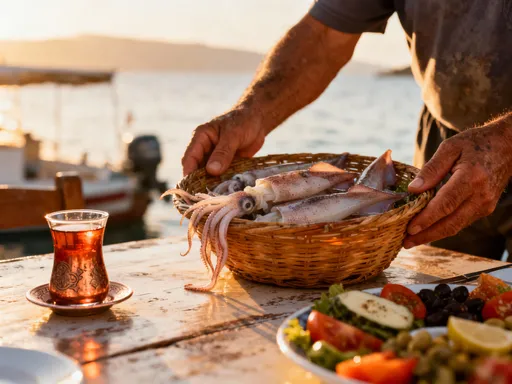
While exploring Bodrum’s food scene, certain dishes stand out as reliable indicators of quality and tradition. Fried squid, for instance, should be golden and crisp on the outside, tender within, served with a wedge of lemon and a side of aioli. The best versions use small, fresh squid—never rubbery or overcooked. Another standout is *acılı ezme*, a bold, spicy dip made from finely chopped tomatoes, green peppers, onions, and fresh herbs, seasoned with pul biber (Turkish red pepper flakes). It’s vibrant, zesty, and perfect with crusty bread or as a topping for grilled meats.
For cheese lovers, a plate of local goat cheese drizzled with thyme honey is a must. The contrast between the tangy, slightly salty cheese and the floral sweetness of honey captures the essence of Aegean flavors. Served with warm bread and olives, it makes for a satisfying light meal or appetizer. Equally rewarding is *pide*, a boat-shaped flatbread baked in a wood-fired oven and topped with ingredients like minced meat, spinach and feta, or sucuk (spicy Turkish sausage). The crust should be blistered and crisp, the interior soft and chewy—evidence of proper oven technique.
Seasonality plays a crucial role in flavor. In spring, sardines are at their peak—small, oily, and rich in taste, best grilled and served simply. Late summer brings ripe figs, which appear in desserts, salads, or paired with cheese. Autumn introduces wild greens like *semizotu* (purslane), often sautéed with garlic and lemon. Even the way dishes are prepared affects the outcome. Grilled fish retains its natural moisture and smokiness, while fried versions offer crunch and richness. Homemade pastries rise above store-bought alternatives, their flaky layers infused with butter and care.
Ordering these dishes at the right place and time makes all the difference. A wood-fired *pide* cooked in a proper oven will outshine one made in a standard grill. Freshly made *cacık* (yogurt with cucumber and garlic) tastes brighter than a pre-mixed version left sitting in a fridge. By paying attention to preparation and seasonality, travelers can ensure their meals reflect the true standard of Bodrum’s cuisine.
Elevating Your Dining Experience: From Meal to Memory
A truly great meal in Bodrum transcends hunger. It becomes a moment—a blend of taste, atmosphere, and human connection that lingers long after the last bite. This transformation doesn’t happen by accident. It results from thoughtful choices: selecting the right place, arriving at the right time, and approaching the experience with openness and curiosity. A simple dinner can turn into a cherished memory when paired with a glass of local wine as the sun dips below the horizon, or when a spontaneous conversation with the owner reveals the story behind a family recipe.
The timing of your meal matters. Dining late in the evening, when the heat of the day has faded and the streets are alive with soft light, enhances the sensory experience. The air carries the scent of jasmine and grilling fish. Music drifts from nearby tables. Children laugh as they chase each other through the square. In this atmosphere, even a modest meal feels celebratory. Conversely, eating at midday under harsh sun or during a rushed lunch break may dull the experience, no matter how good the food.
Mindful dining also means being present. Put the phone away. Savor each flavor. Engage with the people around you. Thank the server. Compliment the cook. These small gestures create warmth and connection, often leading to unexpected kindness—a complimentary dessert, an extra glass of raki, or an invitation to see the herb garden out back. In Bodrum, hospitality is part of the cuisine, and reciprocating it deepens the experience.
Ultimately, the way you eat shapes the way you remember your trip. Choosing a crowded tourist spot for the view might yield a photo, but sitting in a quiet neighborhood taverna with a plate of grilled sardines and a carafe of house wine creates a story. The most meaningful travel moments often happen around the table, where food becomes more than nourishment—it becomes connection, culture, and joy. By making intentional choices, travelers can move beyond the surface and discover the heart of Bodrum, one honest, delicious meal at a time.